
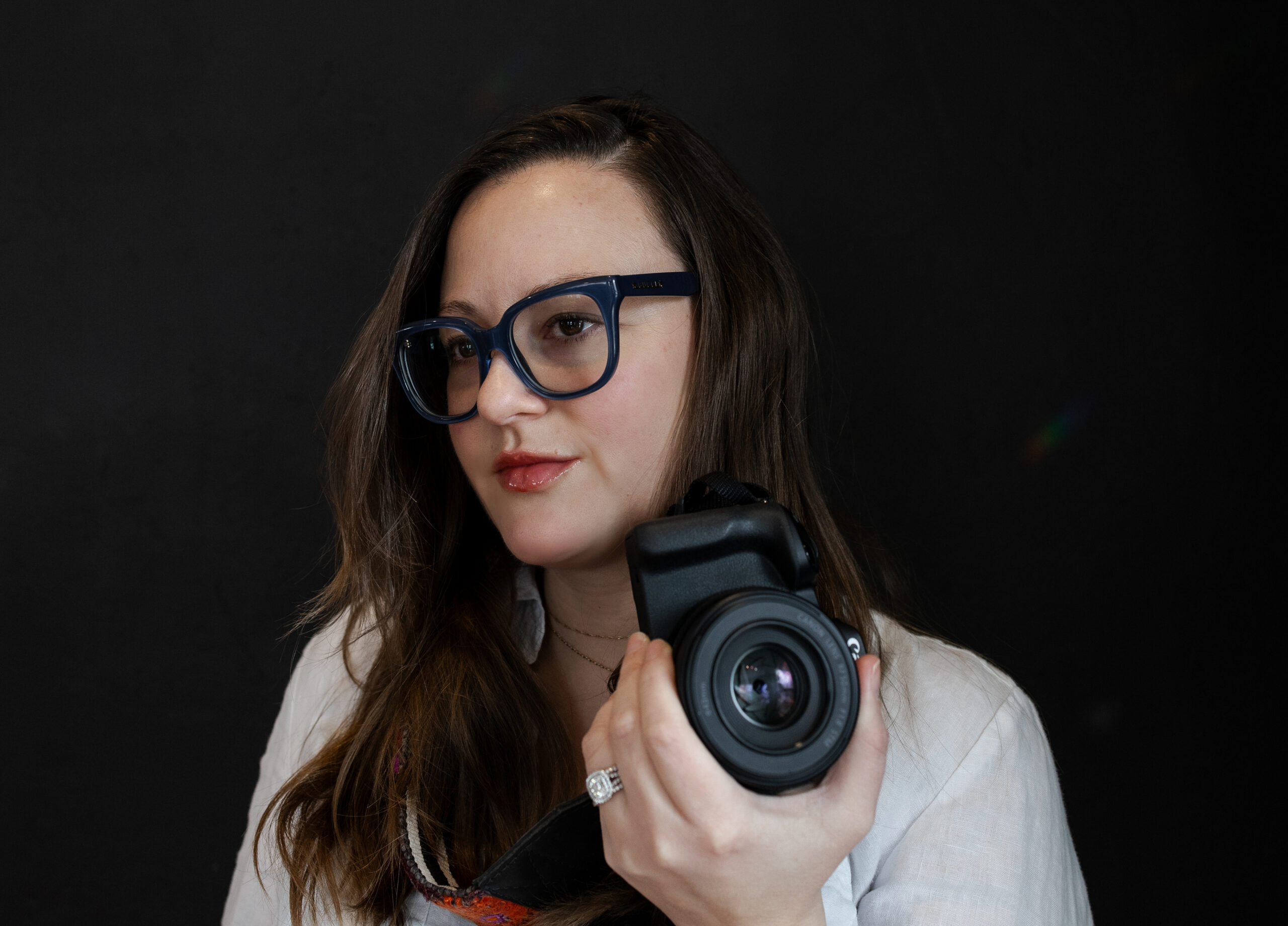


Lately I’ve had a lot of photographers reach out asking how to get started and what gear they actually need. I remember being in that same spot, unsure what was worth investing in and what could wait, so I wanted to put this together as a simple guide to help you start off strong.
When you’re starting out in photography, it’s easy to feel like you need everything to create beautiful images. The truth is, you don’t need a ton of gear to make magic happen. You just need the right tools that fit how you shoot and how you want to tell stories.
After years of photographing families, newborns, and brands, I’ve learned that the best gear is the kind that helps you stay present, focus on connection, and simplify your process. So, whether you’re building your first camera bag or just looking to refine your setup, here are some essentials I’d recommend.
*Some of the links in this post are affiliate links, which means I may earn a small commission if you make a purchase at no extra cost to you. I only share products I use, love, and genuinely recommend.
A Reliable Camera and Lens
Your camera is the heart of your toolkit, but your lens is what really shapes your story. Start with a camera body that feels intuitive to use. I love mirrorless cameras for their speed and ability to handle all kinds of lighting situations. The Canon EOS R6 Mark II is my top pick and my favorite investment since becoming a photographer.
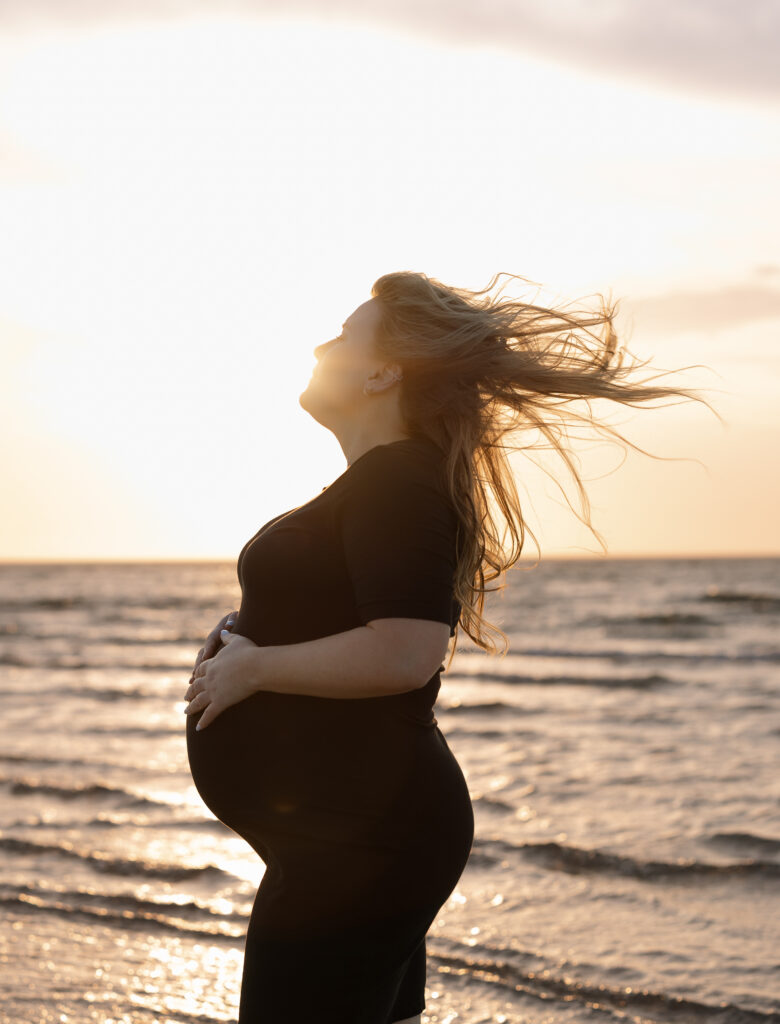
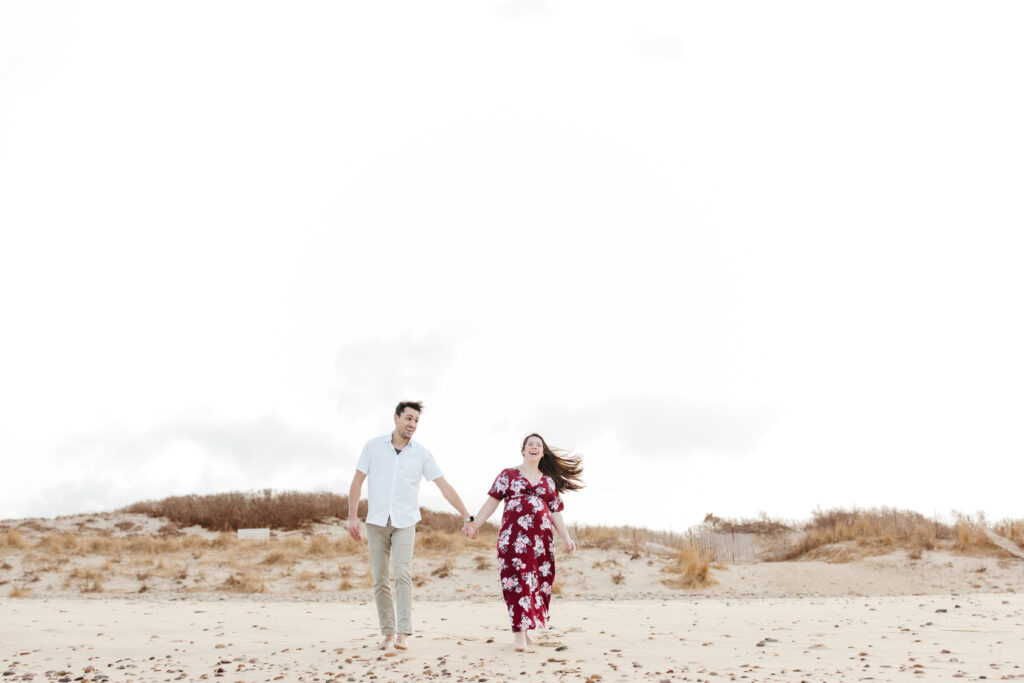
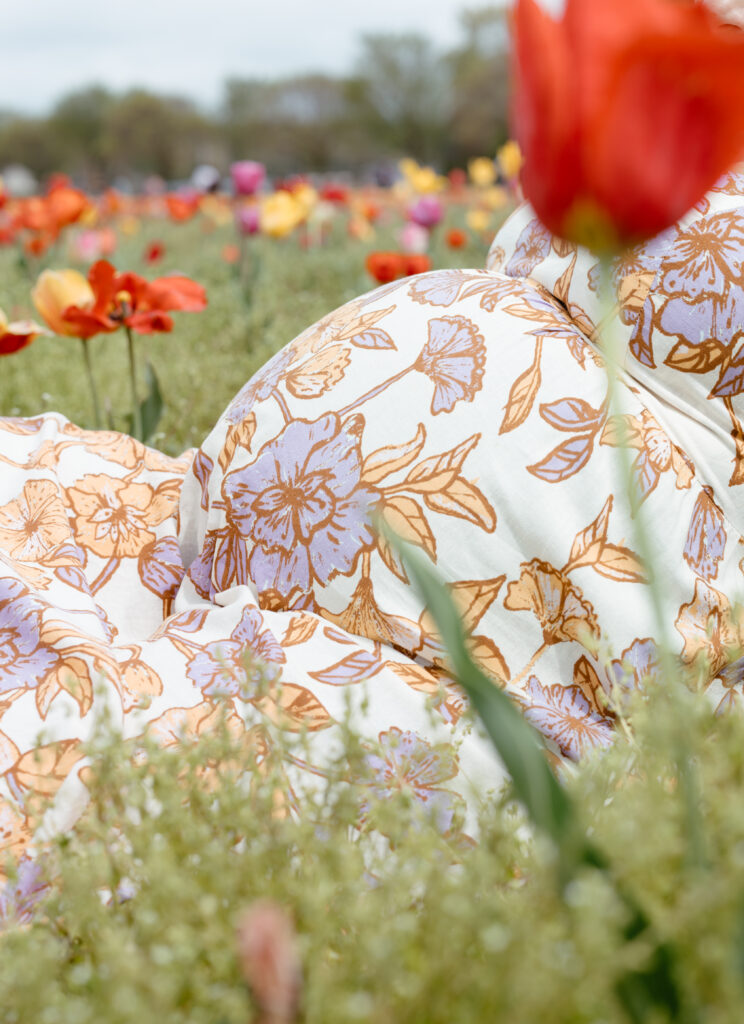
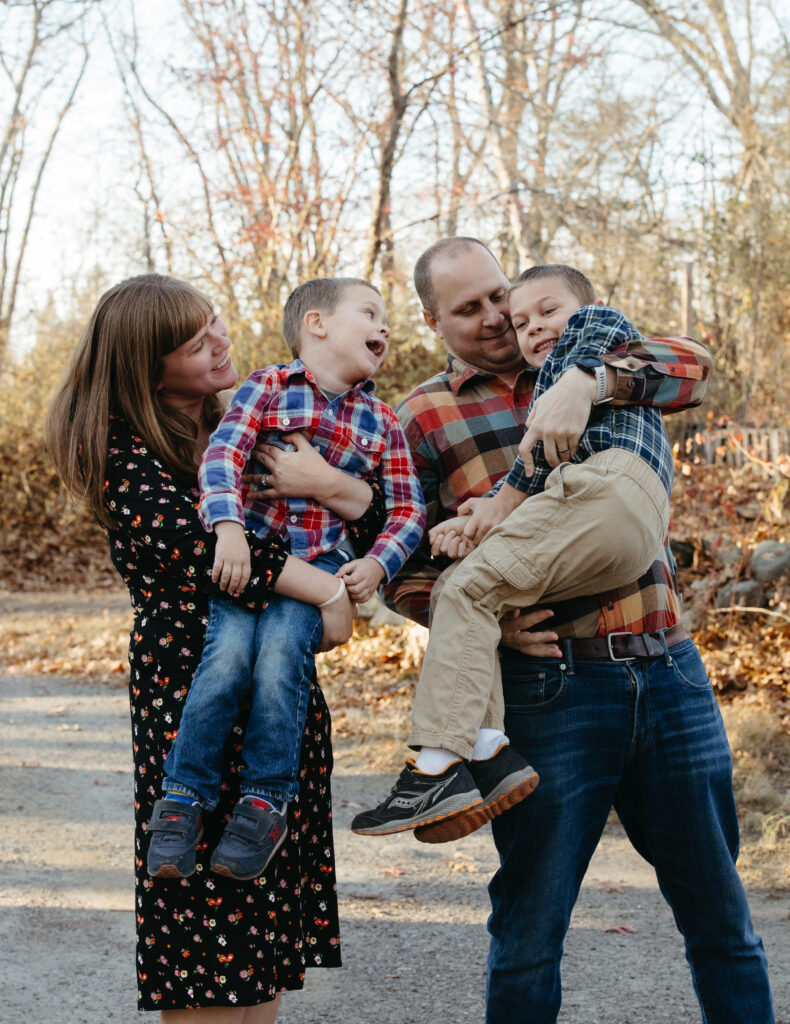
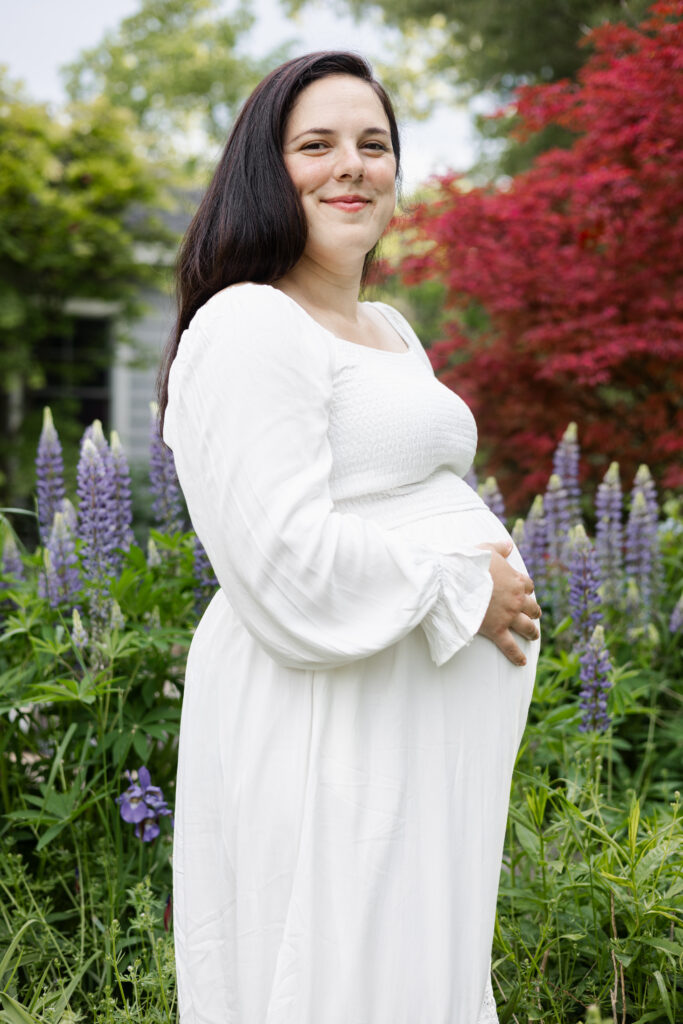
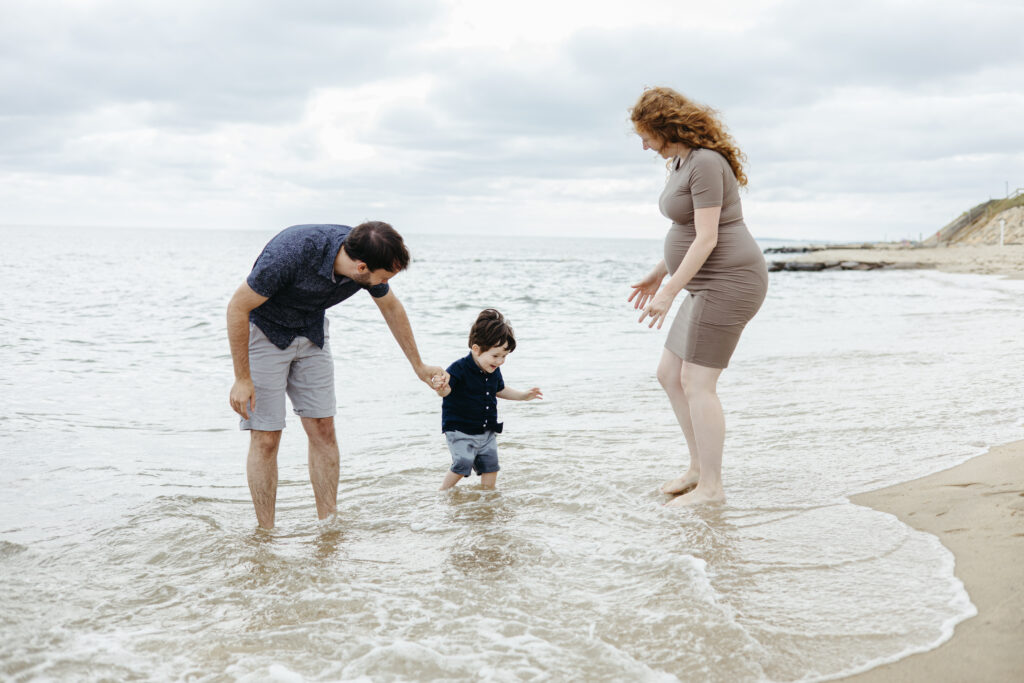
When it comes to lenses the 50mm (1.8) prime is a great place to start. A prime lens has a fixed focal length, which means it doesn’t zoom in or out. At first, that might sound limiting, but it actually teaches you so much about composition and movement. You start moving your body to frame a shot instead of relying on a zoom ring, which helps you see light, distance, and connection in a whole new way. These lenses are sharp, lightweight, and perfect for capturing families and everyday moments with that dreamy, natural look. If you photograph newborns or love soft, lifestyle-inspired scenes, you’ll reach for them all the time. All of the images below were shot using my R6 with the 50mm.

Memory Cards and Backup Storage
There’s nothing worse than running out of space during a session or, even worse, losing your files. Always carry a few extra SD cards (these are my favorite!!), and invest in quality ones that write quickly and reliably.
Once your session wraps up, back up your images to an external hard drive right away. I use LaCie Rugged drives because they can handle being tossed in a bag or dropped in the grass during a family session. You’ll also want a cloud backup for extra security. Having at least two backups keeps your work safe and your mind at ease. I use Dropbox!
The Little Helpers: Lens Caps, Card Holders, and Cleaning Cloths
These might seem like small things, but they make a big difference in how smoothly your sessions go. Keep an SD card holder to stay organized, disposable lens wipes for quick cleanups (I use these for my glasses too!!), and a lens cap leash so you don’t lose another one in the middle of a shoot.
Having a small pouch or section in your camera bag just for these items keeps everything easy to grab when you need it.
A Comfortable Camera Bag and Strap
You’ll carry your gear everywhere, from beaches to in-home newborn sessions to outdoor family shoots. A bag that feels good on your shoulders and keeps your gear protected is worth every penny. I use the Mina Camera Bag from Kamrette and I love it!
Choose one with compartments that make sense for how you shoot. You’ll want to be able to switch lenses quickly without missing the moment. And don’t forget a comfortable camera strap. Mine is from Hiptipico! It is bright, beautiful and comfortable. It brings me joy every time I see it!
Editing Gear and Workflow
Your work doesn’t end when you put the camera down. Editing is where you bring your vision to life. A laptop or desktop that runs smoothly with programs like Adobe Lightroom or Photoshop will save you time and frustration. I have a MacBook and use Lightroom!
While you’re setting up your editing workflow, make it a habit to back up your catalog regularly and stay organized from the start. Set aside time each month to clean up your files, back up your drives, and run any needed updates. It might not feel exciting, but those little habits will save you stress later and keep your business running smoothly as you grow.
Branding and Business Tools
Your gear helps you create the images, but your brand helps you build a business. Think about your website, your social media presence, and the materials you use to connect with clients. A clean, consistent brand builds trust and makes you memorable.
For me, this was a non-negotiable. I hired an amazing team called Bella Maven to bring my brand and website to life, and it was one of the best decisions I made for my business. If you decide to hire someone, make sure they really understand your vision and the overall vibe you want to share.
If you’re still figuring this part out, start small. Let your editing style and color tones guide your website design and Instagram posts. Consistency matters so much more than perfection, and your brand will naturally evolve as you do.
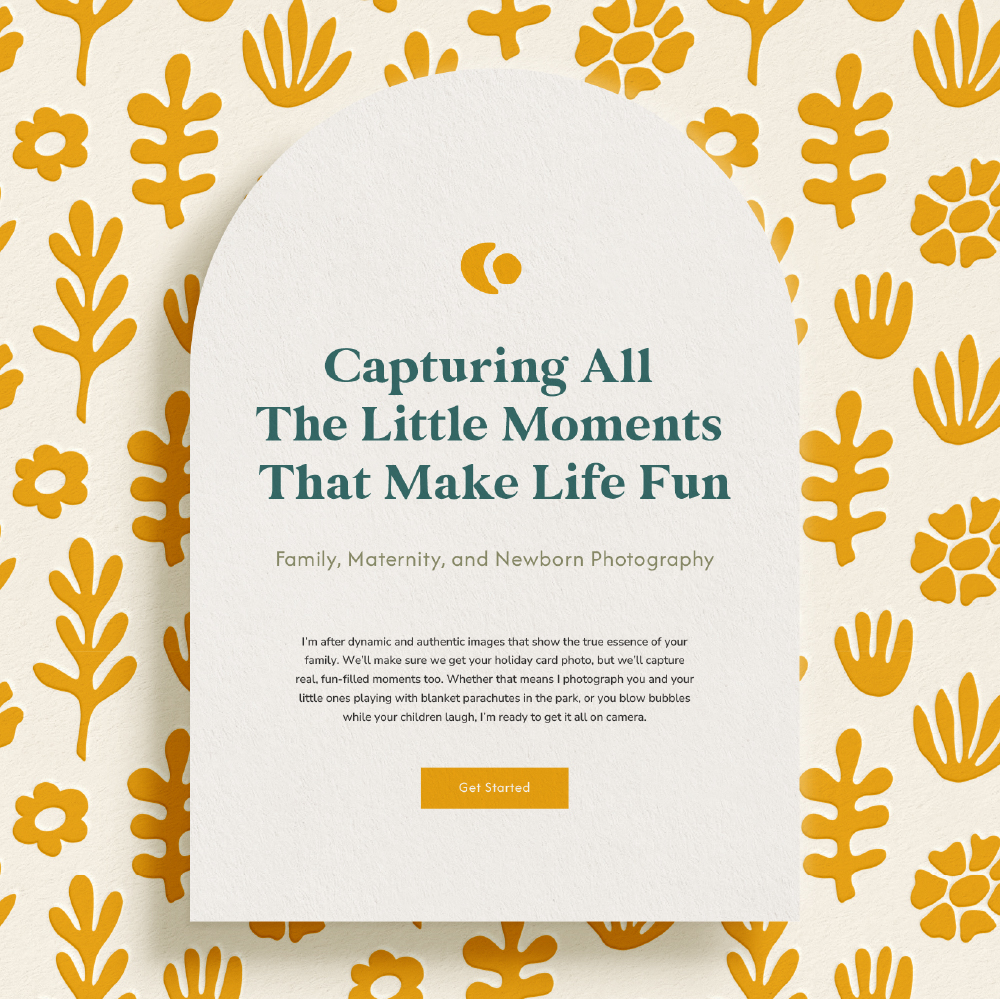
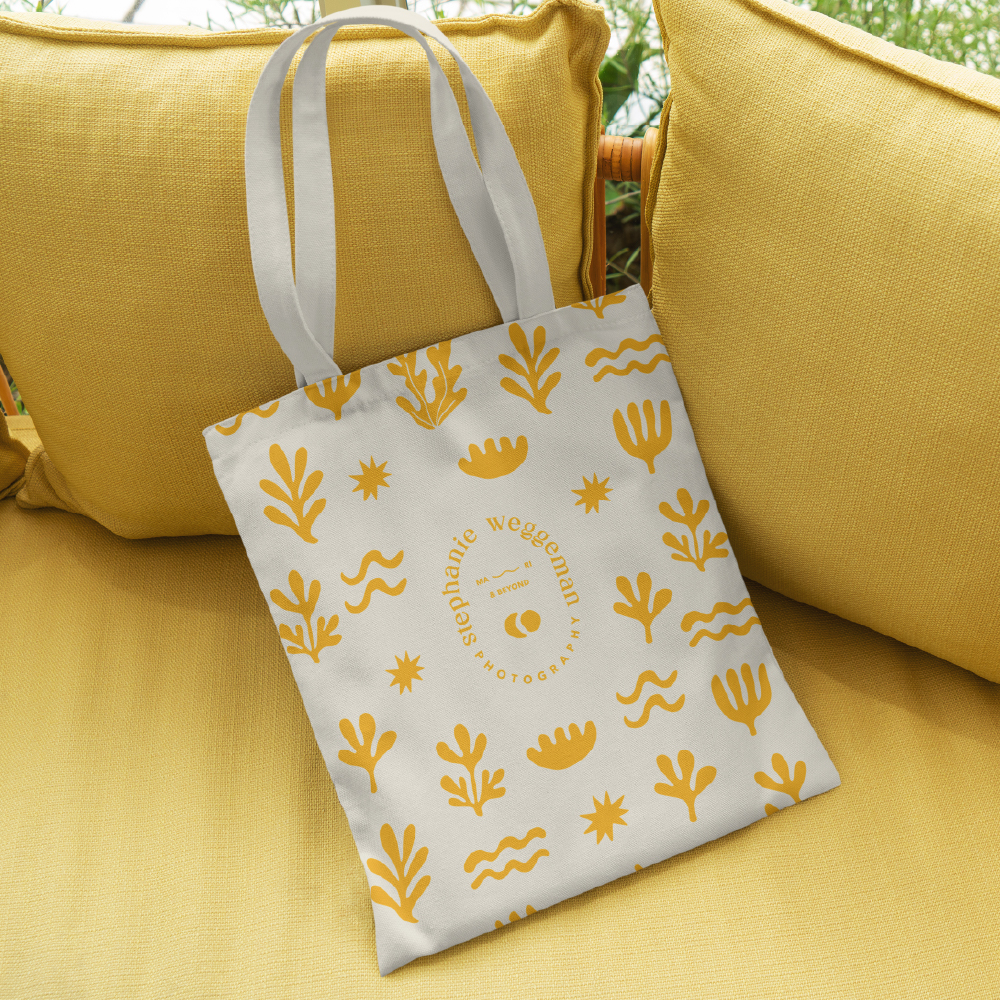
Below is a peek at how I brought my style and personality into my website and social media, so you can see how it all comes together.


Final Thoughts
It’s easy to get caught up in all the latest photography gadgets, but remember this: your gear should work for you, not against you. You don’t need to own everything. You just need to know your tools well enough that they disappear into the background when you’re shooting.
The most important part of photography will always be the people in front of your lens. The laughter, the love, the connection, that is what your clients will remember most. Your gear simply helps you capture those moments and tell their story beautifully. Focus on connection, practice (!!!), and trust that the rest will fall into place.


